Our story
A 1960s village home in Taybeh, restored by Shadi himself to keep the character of a Palestinian house — and opened to guests from around the world.

The house
The house began with Shadi’s grandfather, who built its first two rooms on the ground floor. Shadi’s father later completed the rest of the ground floor and built the second floor above it. The house has been part of the family’s life for generations.
Before it welcomed guests, it was the family home. Shadi’s grandparents lived downstairs. Upstairs, one half was home to his father and the family, and the other half to his aunts. Several generations lived here together, and the house holds many of the family’s memories and stories.
Today it has seven rooms, each with its own private bathroom, around a dining room, a lounge and a fully equipped kitchen. Outside, gardens look over olive groves, Mount ʿAsur and the Jordan Valley.
Shadi
Shadi Bassir went to school here in Taybeh. For fifteen years he has managed an inbound tourism company, dedicating his career to cultural exchange between peoples.
He founded the guest house to reflect those values, and renovated it himself so that it kept its original character. He loves hosting because it lets him meet people from many cultures and share stories with them. For him, hospitality is not only a service — it is a human message, and he hopes to leave a good memory with every guest.

The restoration
Shadi began restoring the house in November 2023 and welcomed the first guests in October 2025, while the work was still going on. It has been about two and a half years, and he is still adding, restoring and finishing.
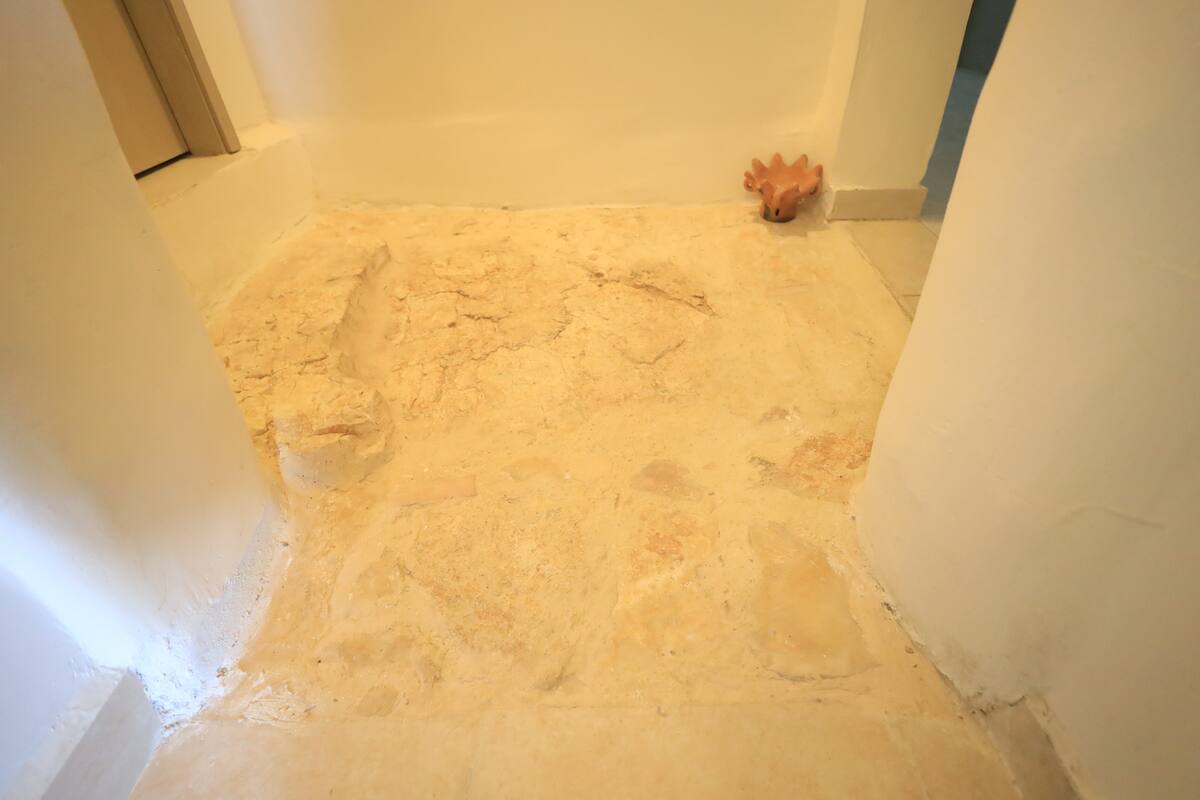
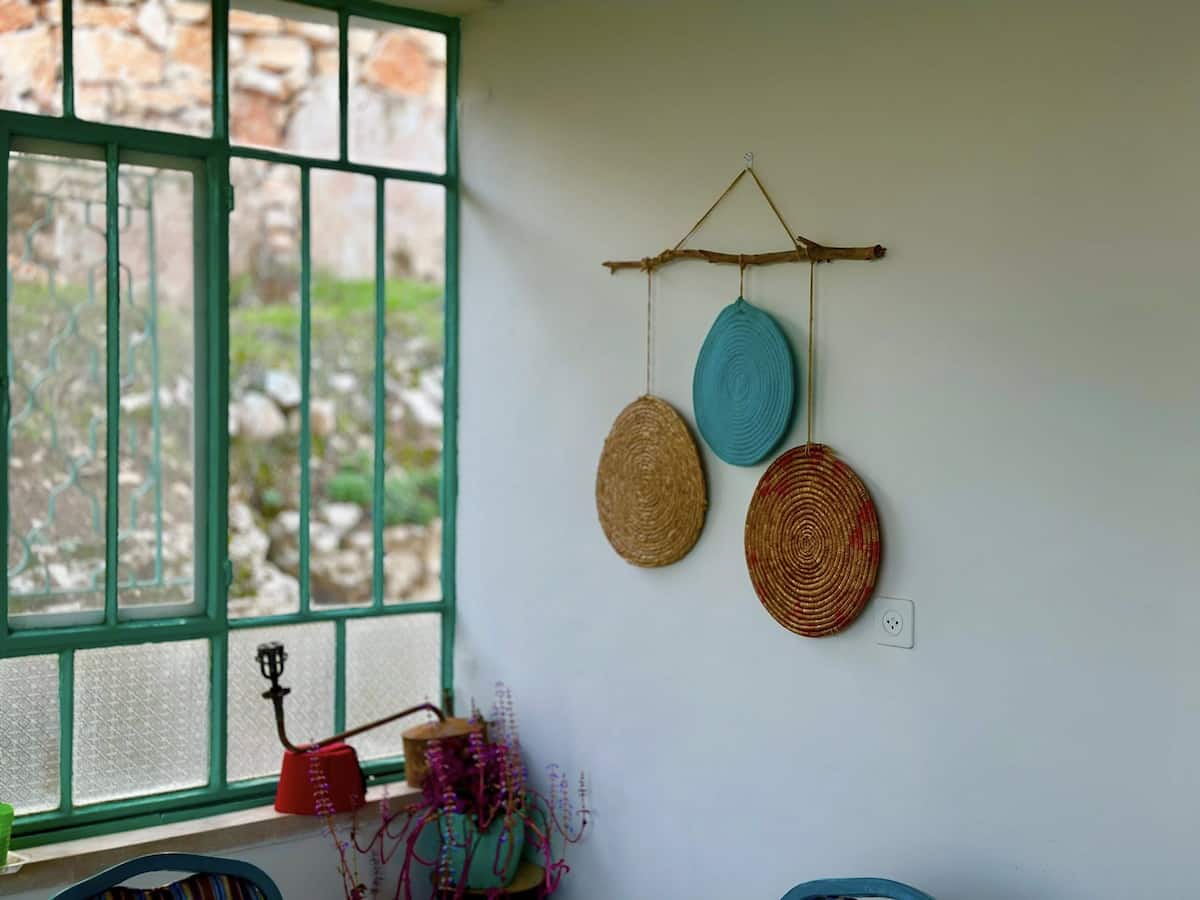
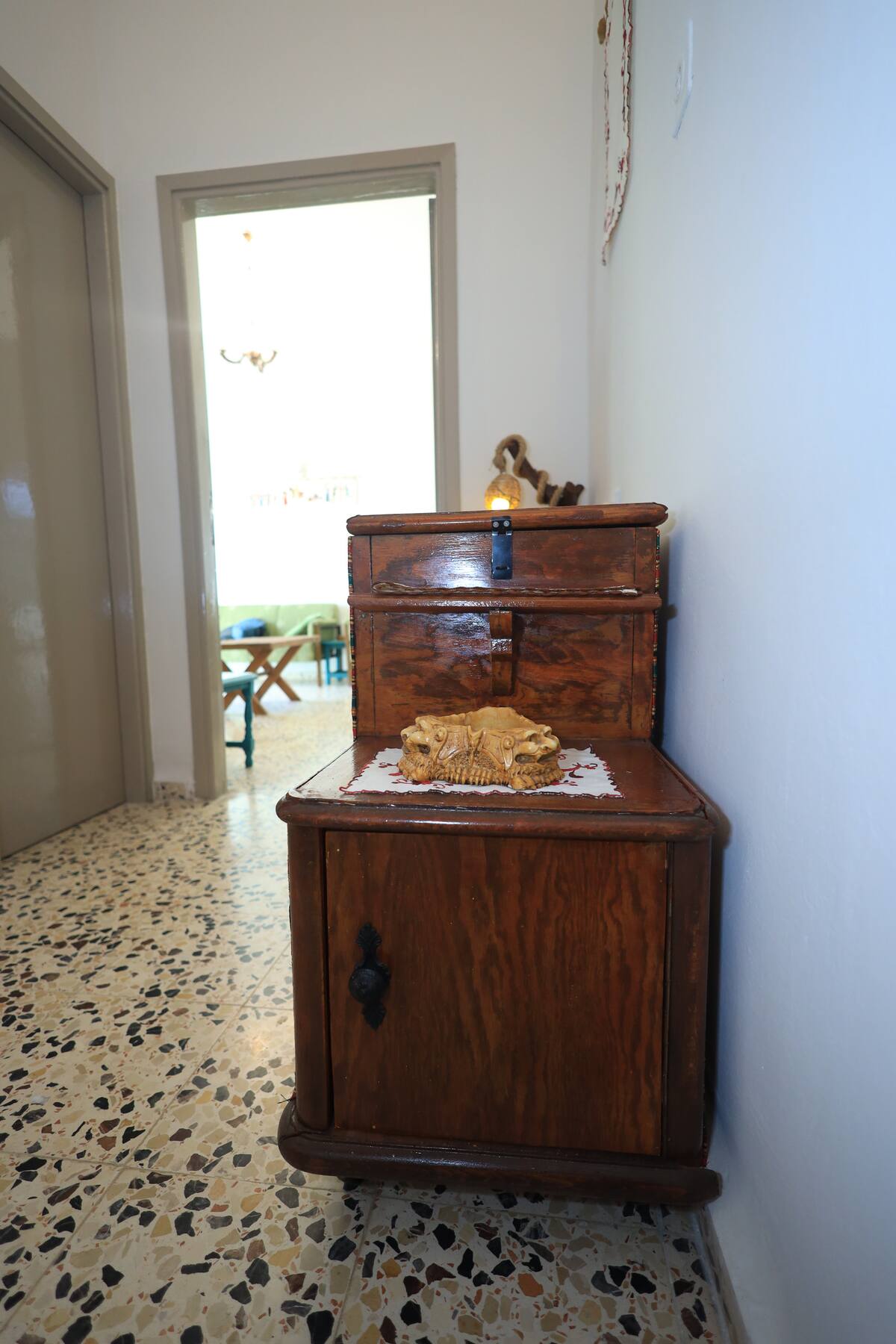
His rule was to keep everything old wherever he could. The original floor tiles, the walls, the doors, the windows and the veranda were all kept, repaired and restored, so the house still carries the style of the years it was built in.
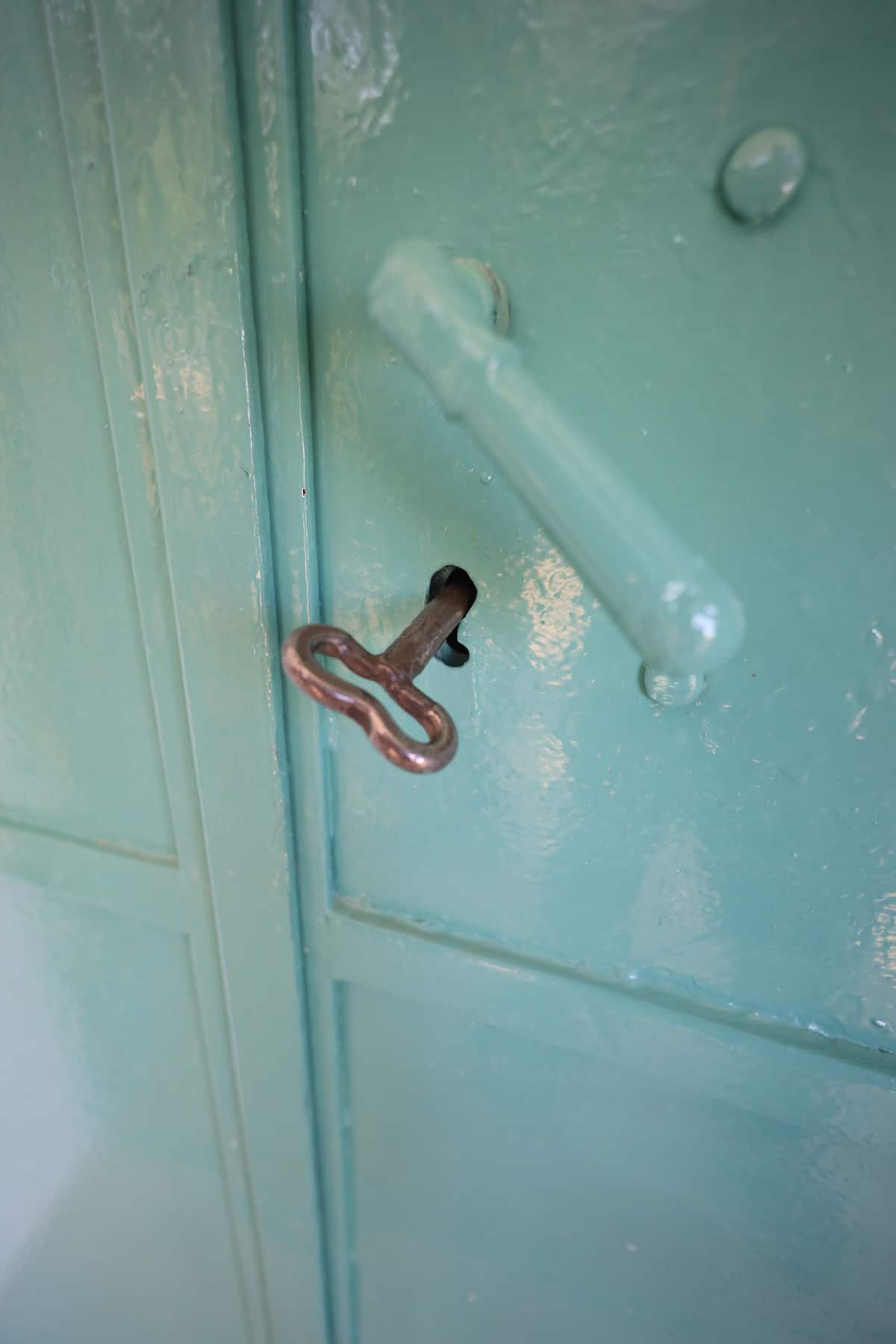
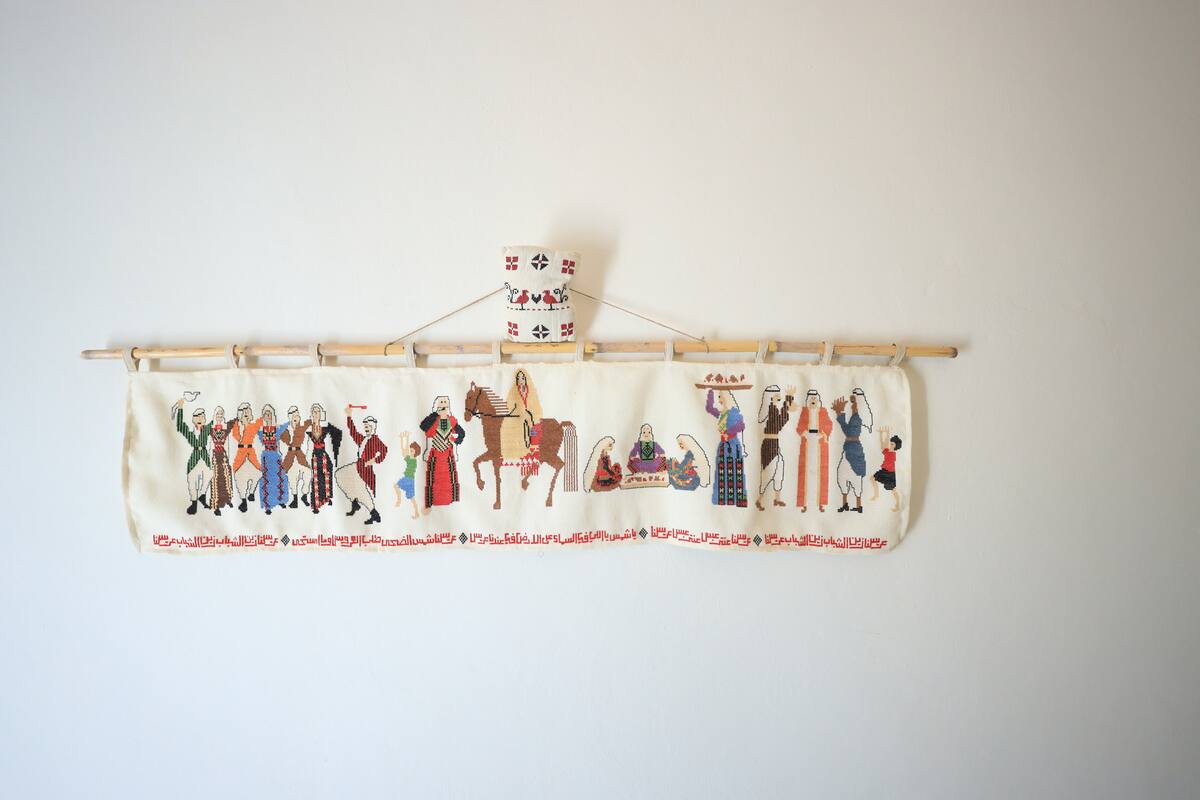
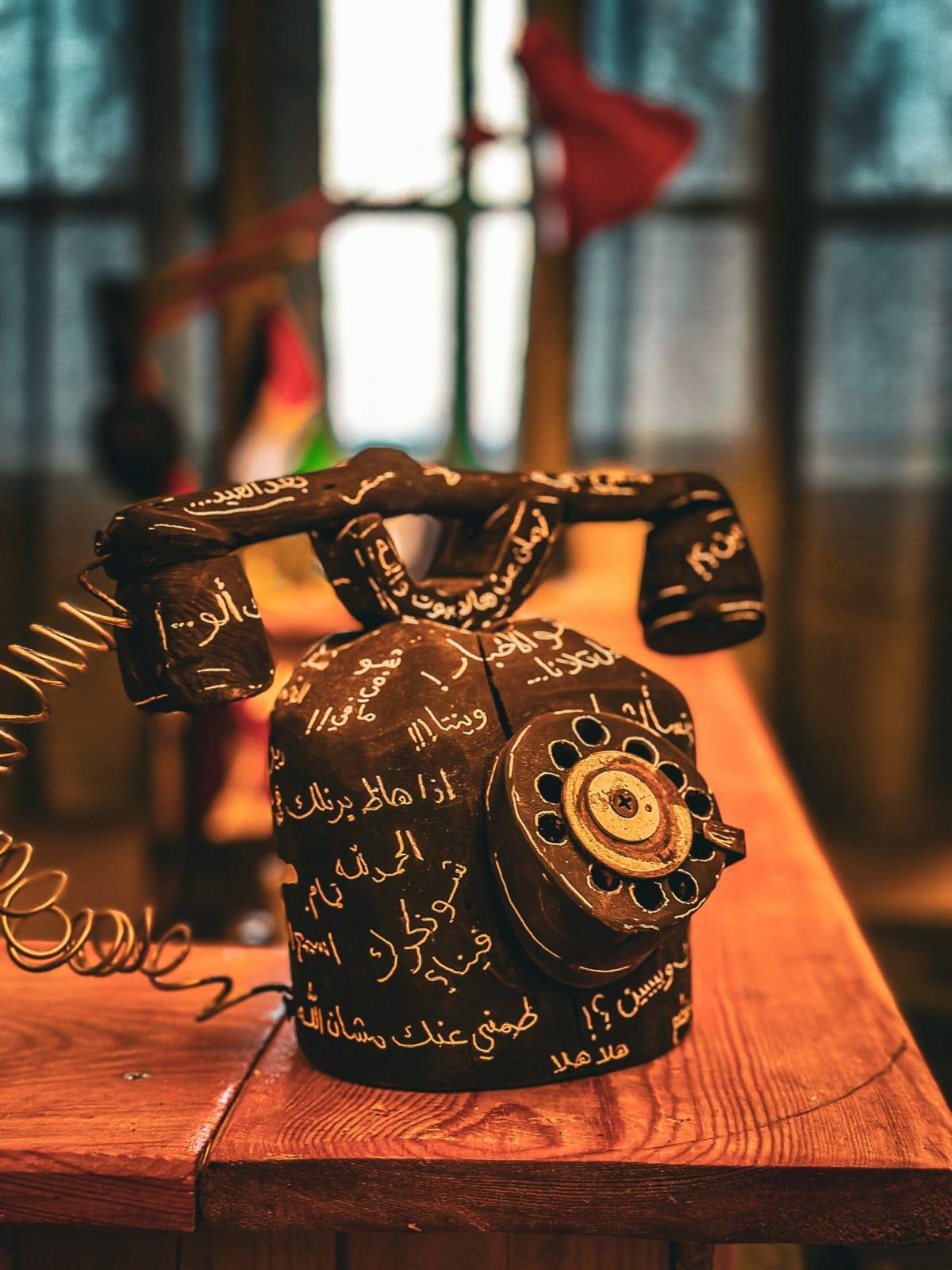
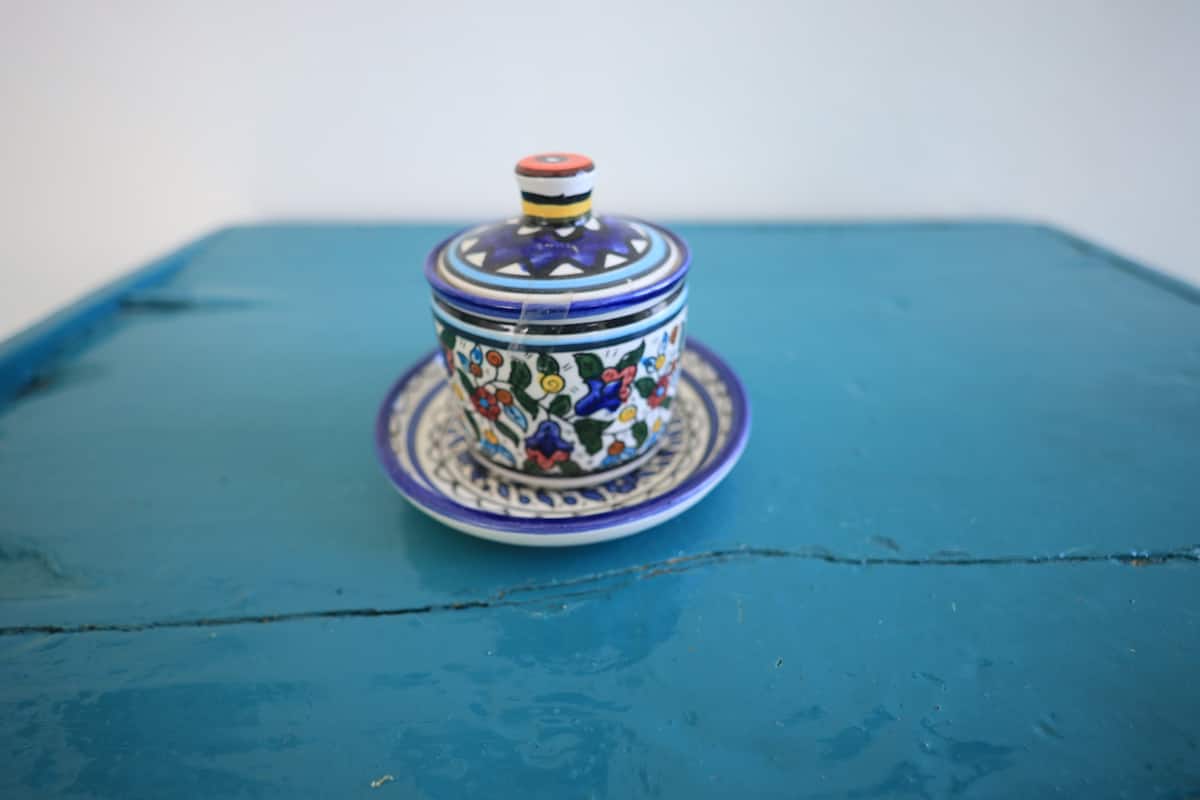
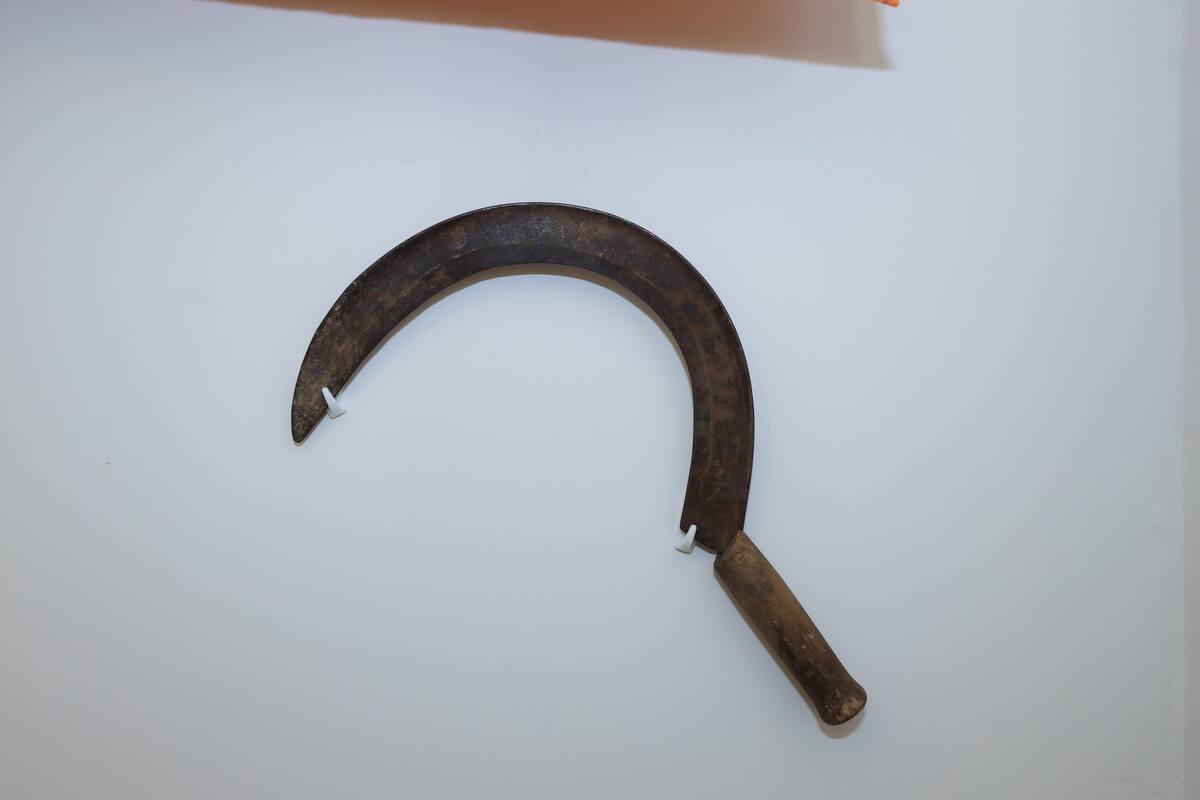
Around them he brought back objects of village life — embroidery, straw trays, harvest tools, an old key still in its lock.
Before, during and after


Details from the house
Taybeh
The guest house sits in one of the oldest continuously inhabited Christian villages in Palestine — a quiet rural place rich in history, culture and religious heritage.
- Biblical Ephraim and Ophrah
- Taybeh is identified with Ophrah of the Book of Joshua (18:23) and with Ephraim, the town where, the Gospel of John says, Jesus withdrew with his disciples after raising Lazarus (John 11:54).
- A village named for its kindness
- Tradition holds that Saladin gave the village its name — Taybeh, “good and kind” — around 1187, to thank its people for their welcome.
- A small Christian village
- Taybeh is one of the few Christian villages left in Palestine. About 1,300 people live here (2017 census), with two schools and Greek Orthodox, Latin (Roman Catholic) and Greek Catholic (Melkite) parishes.
- St George Church ruins (al-Khader)
- On the eastern edge of the village stand the ruins of a Byzantine church, rebuilt by the Crusaders in the 12th century. You can still make out the nave, two side chapels and a cross-shaped baptistery with its font.
- Churches of the village
- Each community has its own church: the Latin Church of the Holy Redeemer, the Greek Orthodox church — where an early Byzantine mosaic of birds and flowers is protected in a small chapel — and the Greek Catholic church.
- The Parables House
- A village house a few centuries old, kept as it was, that shows how families once lived on one level with their animals below — a setting that helps explain many of the Gospel parables.
- Brewery, winery and Oktoberfest
- Taybeh is known for the Taybeh Brewery, founded in 1995, and its autumn Oktoberfest, as well as the Taybeh Winery and the Barakat distillery — all a short walk or drive from the guest house.
- Olive oil and peace lamps
- Olive groves surround the village, and its oil is pressed and sold locally. Taybeh is also known for its ceramic “peace lamps”, shaped like a dove.
Tell us your dates. Shadi will reply personally.
Send an inquiry or message us on WhatsApp. We will confirm availability and help you plan the rest.